
Wax and silica sealants, ceramic coatings, and paint protection film (PPF) all protect your paint, but in very different ways. Sealants sit on top of the paint and last weeks to about a year. Ceramic coatings are a thin, chemically bonded silica layer, a few microns thick, that makes paint glossier, easier to clean, and more resistant to bird droppings, sun, and chemical fallout for years (up to the life of the vehicle when applied correctly and maintained), but they don't stop rock chips, and the "9H" hardness claim doesn't hold up on a real car. PPF is a thick, self-healing urethane film that is the only option tested to stop rock chips, but it's a semi-permanent plastic layer that can stain, and removing it later takes professional work. Whatever you choose, the paint has to be decontaminated first, and corrected if you want defects gone, or the protection won't bond properly.
In North Texas, where dark cars hit 170°F+ in the sun and lab research shows heat speeds up damage from bird droppings and tree residue, our recommendation for most owners keeping a car long term is PPF on the front end, plus a ceramic coating over the film and the rest of the car. With a full paint correction, that package usually comes in under $3,000.
Why we wrote this
There is a lot of noise in this industry. Videos of someone keying a hood or setting a coated panel on fire make for good content, but they don't tell you much about what happens to your paint parked in a Fort Worth or Keller driveway in August. So for this guide we went to the people who actually formulate and test automotive paint: coatings researchers, paint manufacturers, standards bodies, and the film and coating makers' own lab data. Every claim links to its source at the bottom.
We took this approach because we want our customers to understand how to actually protect their vehicles, what the reality is, and not be fooled by the next product marketed as a "solve all" for paint protection. You spend a lot of money keeping your car running and looking good. At Flo Details, we want you to have the right information, with no marketing fluff, so you can make an informed decision about how to protect your vehicle in a way that fits your budget.
Quick comparison
| Wax or silica sealant | Ceramic coating | Paint protection film (PPF) | |
|---|---|---|---|
| What it is | Layer that sits on top of the paint | Thin silica layer bonded to the clear coat, about 2 to 3 microns | Clear urethane film, about 7 to 8 mil (roughly 180 to 200 microns) |
| Stops rock chips | No | No | Yes, tested to SAE J400 |
| Bird droppings, sap, fallout | Briefly | Resists and buys time | Film takes the hit, but its surface can stain |
| Wash swirls | Minimal | Reduces, doesn't prevent | Self-heals light scratches |
| UV and fading | Light | Good | Good, with 10 to 12-year warranties against yellowing |
| Typical lifespan | Weeks to about a year | 4+ years, up to the life of the vehicle with annual maintenance | Up to 10 to 12-year manufacturer warranties |
| Removal | Wears off | Polished off | Professional removal recommended |
| At Flo Details | 1-year silica in Level 3 detail ($425+) | $950 (Beadlock Pro) or $1,400 (Beadlock Black or System X MAX G+) | Quoted per vehicle |
Before any protection: decontamination and paint correction
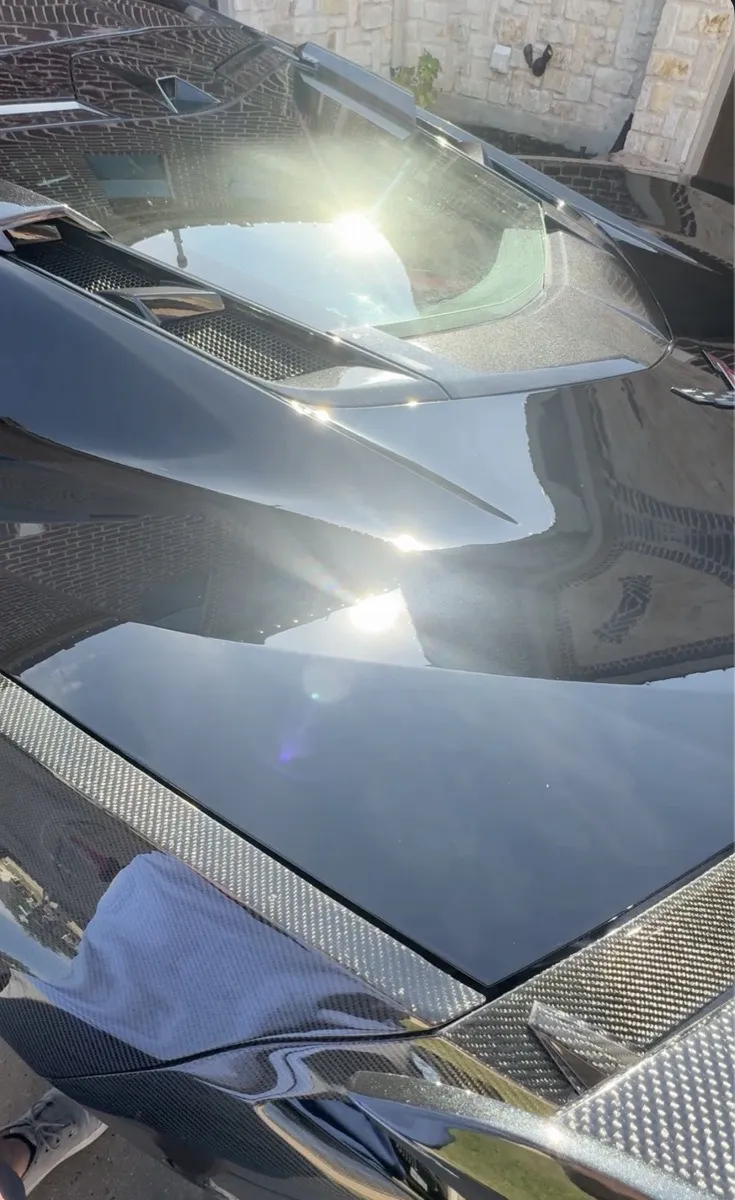
Decontamination is not optional. Over time, paint collects bonded contamination that a normal wash won't remove: iron particles from brake dust and rail dust, tar, tree residue, and mineral deposits. If a sealant or coating goes on over that layer, it bonds to the contamination instead of the clear coat, and that buildup keeps working against the protection's life span. A proper decon uses an iron remover (products like IronX dissolve embedded iron particles) followed by a clay bar to pull out what's left. Even the coating makers spell this out: Shine Supply's Beadlock Pro instructions call for chemical decontamination and claying before any polishing or coating.
Paint correction is optional, but recommended. Correction is machine polishing that removes swirls, light scratches, water spots, and oxidation from the clear coat before a sealant or ceramic goes on. It's optional because protection still works without it, but anything left in the paint gets sealed in under a coating. Learn more in What Paint Correction Actually Is.
The full breakdown: sealants, ceramic coatings, and PPF
Wax and silica sealants
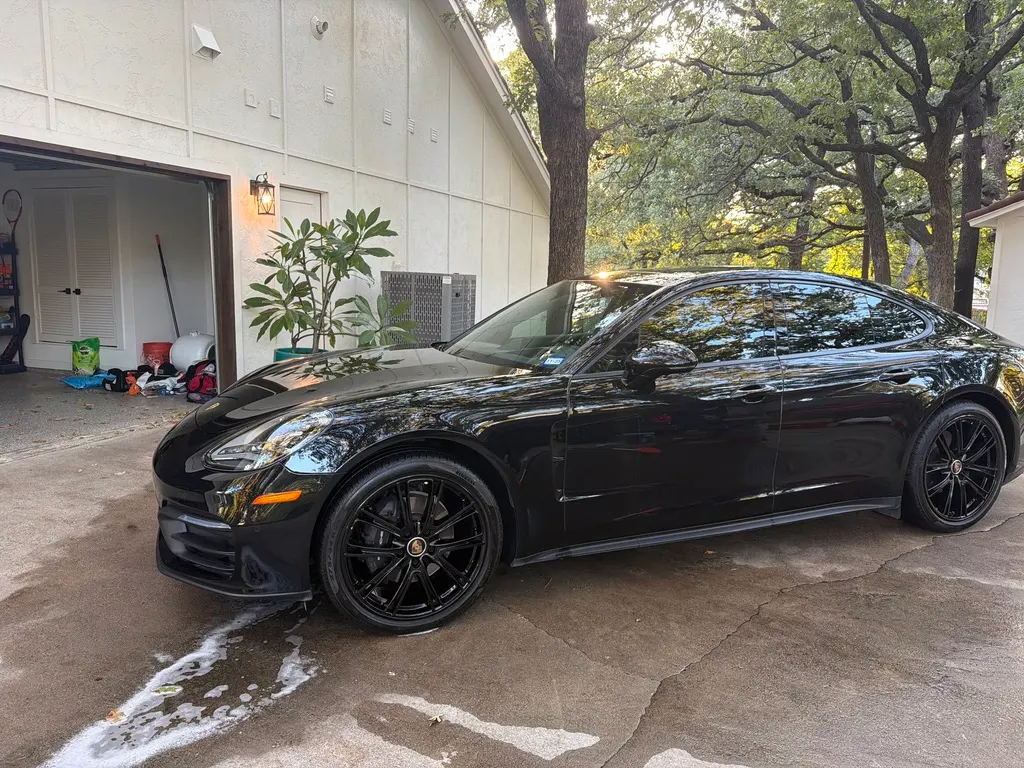
Wax and spray sealants sit on top of the paint and wear off in weeks to months. Silica (SiO2) sealants last longer than traditional carnauba wax, and a professionally applied silica layer, like the one in our Level 3 Deluxe detail, can last about a year. When Consumer Reports tested car waxes, it found spray waxes were the worst for durability. Sealants are a good fit for leased cars, frequent trade-ins, and as a maintenance topper. For the full side-by-side, read Ceramic Coating vs Wax.
Ceramic coatings
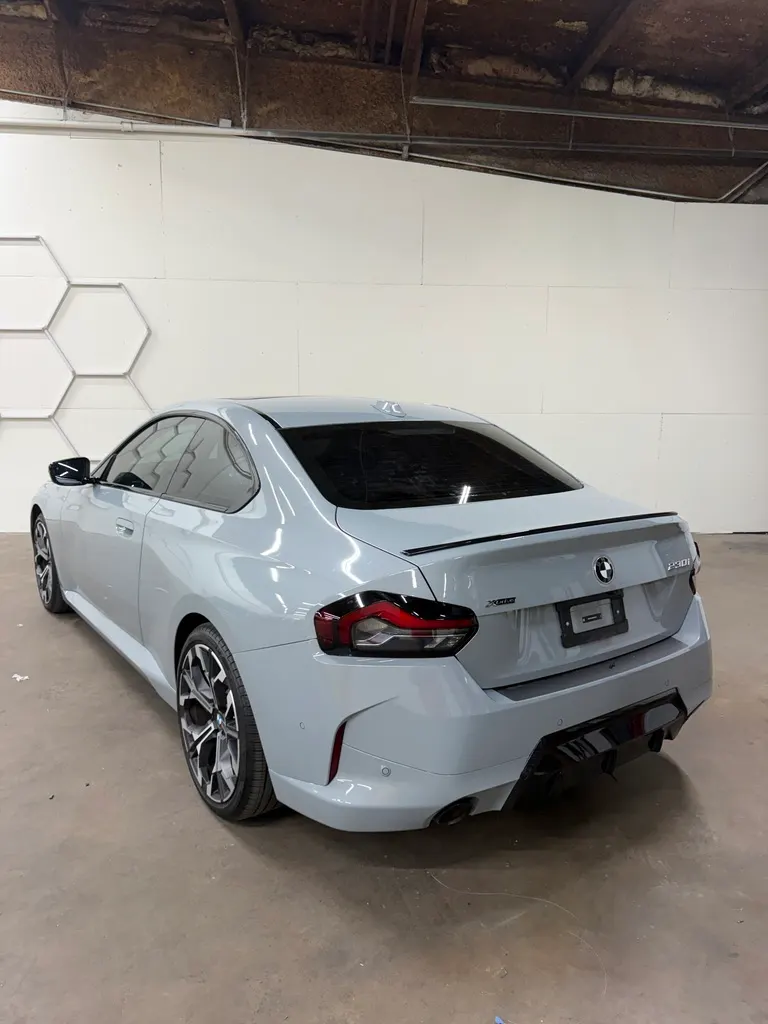
A ceramic coating is a liquid silica-based formula that bonds to the clear coat and cures into a thin, slick, hydrophobic layer. Here's what the data supports, and what it doesn't.
The coatings we use:
- Shine Supply Beadlock Pro. Shine Supply lists it as an SiO2 coating with a single-layer thickness of 2 to 3 microns, resistance to chemicals from pH 2 to 13, a 108° water contact angle, and durability of up to 4 years. Shine Supply is also upfront that a coated car can still get swirls and water spots if it isn't cared for properly.
- Shine Supply Beadlock Black. Shine Supply's premium coating, rated for durability of up to 7 years, with the same 2 to 3 micron single-layer thickness and pH 2 to 13 resistance.
- System X MAX G+. Element 119, the maker of System X, builds MAX G+ on its MAX resin system and backs its MAX coatings with a lifetime warranty on cars when installed by an accredited installer and inspected every year.
Those numbers have one thing in common: they depend on maintenance. Applied correctly and maintained properly, a quality ceramic coating can last the life of the vehicle. Skip the prep or the annual maintenance and no coating will reach its rating, especially in Texas heat.
The "9H" claim is misleading. 9H refers to a pencil hardness test, not real-world scratch protection. 3M's own technical guidance explains that a coating only reads 9H when it's tested on steel or glass, because the test is really measuring the hard surface underneath. Automotive clear coats typically measure F to 2H on the same test, and 3M says its testing showed a coating improves that slightly, "but nowhere near 9H." Coating maker Feynlab makes the same point: these films are only a few microns thick, so the pencil test is mostly reading the panel underneath. You'll still see 9H on almost every bottle, including the brands we trust. It just isn't the reason to buy a coating.
What a coating is good at. The value is chemical, not mechanical: a slick surface that contaminants don't grab as easily, washes cleaner, adds gloss, and buys you time before bird droppings or honeydew start etching. Our read: Covestro's benchmark of 95 factory clear coats found that clear coats built with silane-modified chemistry, the same silicon-oxygen bond family a ceramic coating forms, resisted chemicals and wash scratching better than standard clear coats. That supports the idea behind ceramic coatings, but it's research on factory clear coat, not a test of any aftermarket coating. Independent, peer-reviewed testing of professional ceramic coatings is still scarce.
What it won't do. Stop rock chips, door dings, or deep scratches. At 2 to 3 microns, it's far too thin to absorb an impact.
Paint protection film (PPF)
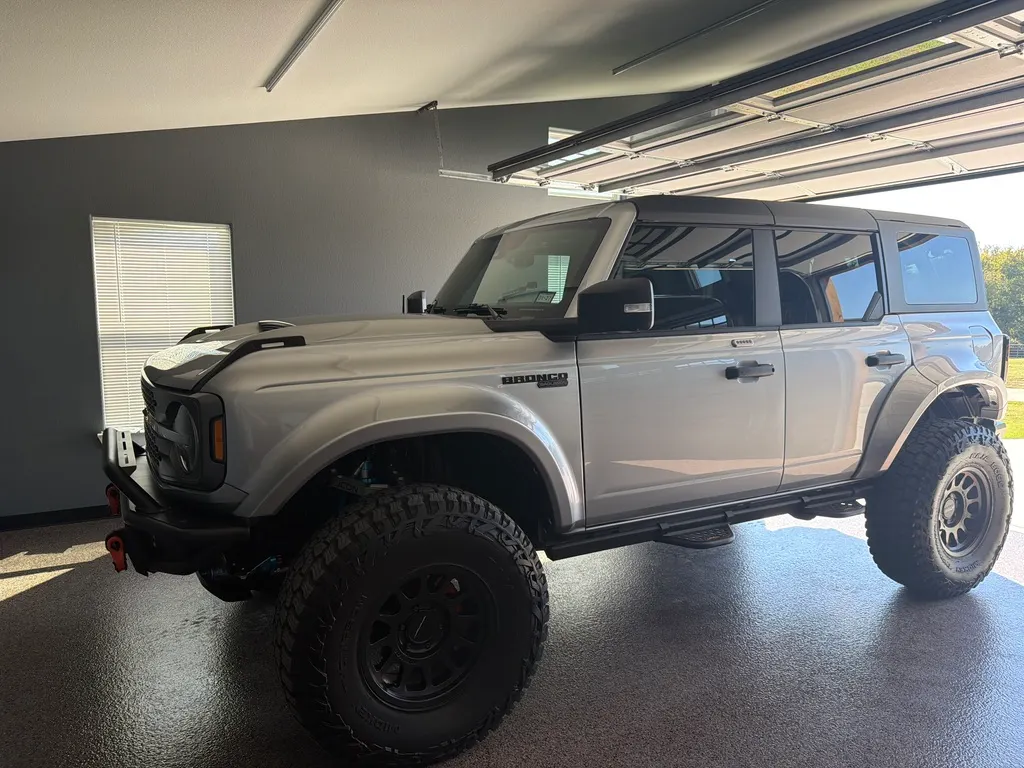
PPF is a clear thermoplastic urethane film applied over the paint. This is where the lab data is strongest, because film makers publish technical data sheets with standardized test results.
The films we use:
- LLumar. LLumar's paint protection film data sheet lists a 7 to 8 mil film that passes the SAE J400 gravelometer test (the industry-standard test where gravel is fired at a panel) and shows no detrimental effect in its chemical resistance testing. That data sheet carries a 5-year limited warranty; LLumar's current premium films carry longer coverage, so confirm the specific film at quote time.
- SunTek. SunTek's PPF Ultra is backed by a 10-year limited warranty and uses a "HydroResist" top coat designed to improve stain resistance by limiting water and dirt buildup on the film. SunTek's published data sheet for its PPF C film reports a pass on the SAE J400 gravel test and no detrimental effect after 2,500 hours of accelerated UV weathering and 2,500 hours at 70°C (158°F).
- Cheetah (CheetahWrap). CheetahPPF Chip Defense is a 7 mil self-healing polyurethane film with a low-scarring adhesive and a 12-year warranty against yellowing, bubbling, and cracking. We couldn't find a published lab data sheet for it, so we're only listing what the manufacturer states.
For comparison, the most detailed public data comes from 3M and XPEL. 3M's film passed SAE J400 with no paint chipping, and after 24 months of outdoor exposure in Arizona and Florida showed only slight discoloration with no cracking. XPEL's current data sheet reports no detrimental effect after 4.73 liters of gravel fired at 70 PSI at −20°F.
Where PPF shines. Think of PPF as an additional, semi-permanent barrier that can protect a car for the life of your ownership if it's cared for. With a gloss film, it keeps the clear coat underneath looking its best. Light scratches in the film self-heal with heat. And if the front bumper takes a beating from rock chips, replacing the film on that one piece is much easier and more affordable than repainting it.
What the marketing leaves out. At Flo Details, we want to look past the marketing hype, and PPF has a couple of realities most installers don't lead with:
- Removal costs money and carries some risk. PPF is often sold as a way to keep your original paint safe forever, but at some point it has to come off. Removal should be done by a professional, can leave adhesive residue that takes time to clean up, and can damage paint if it's done wrong. XPEL reports its film's bond to paint more than doubles over years of heat and sun, from 0.075 to 0.17 MPa, and says removal is "highly unlikely" to harm factory paint. Our read: that's reassuring for factory paint, but repainted panels and rushed removal are where problems happen, and the labor isn't cheap.
- It's still a plastic surface. Film resists contamination, but its top coat isn't immune. 3M's own data sheet reports moderate discoloration from gasoline, diesel, and motor oil. Film makers market stain-resistant top coats and dedicated film cleaners precisely because bugs, bird droppings, and oils can dull or stain a film's surface over time.
Part 1: What actually damages paint in North Texas
Before choosing protection, it helps to know what you're protecting against. Your factory paint is usually four layers, and the top one, the clear coat, does almost all the defending. Here's what the research says attacks it.
Heat: why everything else gets worse in a DFW summer
DFW averages 20 days a year at 100°F or higher (1991 to 2020 normals), and recent summers have run far above that: 55 days in 2023 and 71 in 2011, according to the National Weather Service. Paint gets much hotter than the air. NASA measured car surfaces in direct sun at its Dryden facility on 100°F to 109°F days and recorded black cars at 166°F to 185°F, with white cars roughly 40°F cooler.
In Covestro's benchmark of 95 automotive clear coats, the glass transition temperature, the point where clear coat starts to soften, was close to 60°C (140°F) for all of them. Our read: on a summer afternoon, a dark car's clear coat is routinely past that point, which is exactly when contaminants do the most damage.
Bird droppings: it's enzymes, not acid
Most people assume bird droppings etch paint because they're acidic. A BASF research team tested this directly and found the droppings they tested measured about pH 6.3, close to neutral. The damage came from digestive enzymes (amylase and lipase) that break the chemical bonds holding the clear coat together, leaving etched, stain-like marks with the worst damage at the edges.
- Heat speeds it up. Damage increased as temperature rose to 60°C (140°F).
- Sun and droppings together are worse. Clear coat exposed to droppings and UV at the same time degraded much more than clear coat exposed to either alone.
- It doesn't take long. On clear coat that had already been weathered, visible etching formed in as little as 24 hours.
A separate peer-reviewed study found the same kind of biological damage was more severe on clear coat over a black basecoat than over silver.
Tree sap and "honeydew"
If you park under a pecan, red oak, or crape myrtle and come back to a sticky windshield, that usually isn't sap. Texas A&M AgriLife entomologists explain that aphids and scale insects feeding on these trees excrete a sugary liquid called honeydew, which then grows a black fungus called sooty mold. The crape myrtle bark scale, a heavy honeydew producer, was first confirmed in the U.S. in the Dallas area in 2004. In lab testing, Covestro found tree resin, diluted acid, and pancreatin (the lab stand-in for bird droppings) all affected clear coats more than water did, across every paint chemistry tested.
Pollen: where the research is thin
You'll read online that pollen is acidic and etches paint. We looked for a controlled laboratory study testing pollen on automotive clear coat and couldn't find one. Our read: pollen is organic material that sits wet on your paint every spring morning, and lab studies consistently show organic residue plus moisture, heat, and sun damages clear coat. So we treat heavy pollen like any other organic deposit: rinse it off instead of letting it bake, and never dry-wipe it, since the grains are abrasive.
Acid rain and industrial fallout
Acid etching is one of the most studied causes of clear coat damage. Researchers tracking real-world exposure at an industry test site in Jacksonville, Florida, measured rain at pH 3.5 to 4.5 and confirmed the main mechanism is acid breaking down the clear coat's cross-links. In Covestro's benchmark, all 95 clear coats tested were sensitive to dilute sulfuric acid.
Hard water and sprinklers
When water evaporates on paint, its minerals stay behind. The USGS classifies water above 120 mg/L of calcium carbonate as hard and above 180 mg/L as very hard. Your city publishes its exact hardness every year in its water quality report. Sprinkler overspray and washing in the sun leave those minerals on hot panels, where they bake into spots that can etch.
Washing itself
Covestro simulated an automatic car wash on 95 production clear coats using a standardized lab car-wash test. Standard clear coats kept anywhere from 51% to 87% of their gloss after a single test cycle. After 1,000 hours of simulated weathering, every type of clear coat scratched more easily than when new. Our read: older, sun-beaten paint is more vulnerable, which is why protection pays off most in the first years of ownership.
Part 2: Texas factors that shorten protection
No matter what's on your paint, these wear it down fastest:
- Parking in the sun. Heat softens clear coat and speeds up biological damage. A garage or covered spot extends the life of everything.
- Parking under trees. Honeydew, sap, and bird droppings concentrate under canopies, especially pecans, oaks, and crape myrtles in summer.
- Letting contaminants sit. The BASF data shows etching can start within a day on weathered paint. Remove droppings and honeydew the same day if you can.
- Sprinklers and hard water. A quick waterless wipe-down after morning sprinklers prevents most mineral spotting.
- Brush car washes. Lab car-wash testing shows real gloss loss in a single cycle.
- Highway miles. Rock chips are a mechanical problem, and only film stops them.
- Skipping decontamination. Bonded contamination left under protection shortens its life.
- Dark paint. It runs hotter and, in lab testing, showed more severe biological damage.
Part 3: Which option fits you
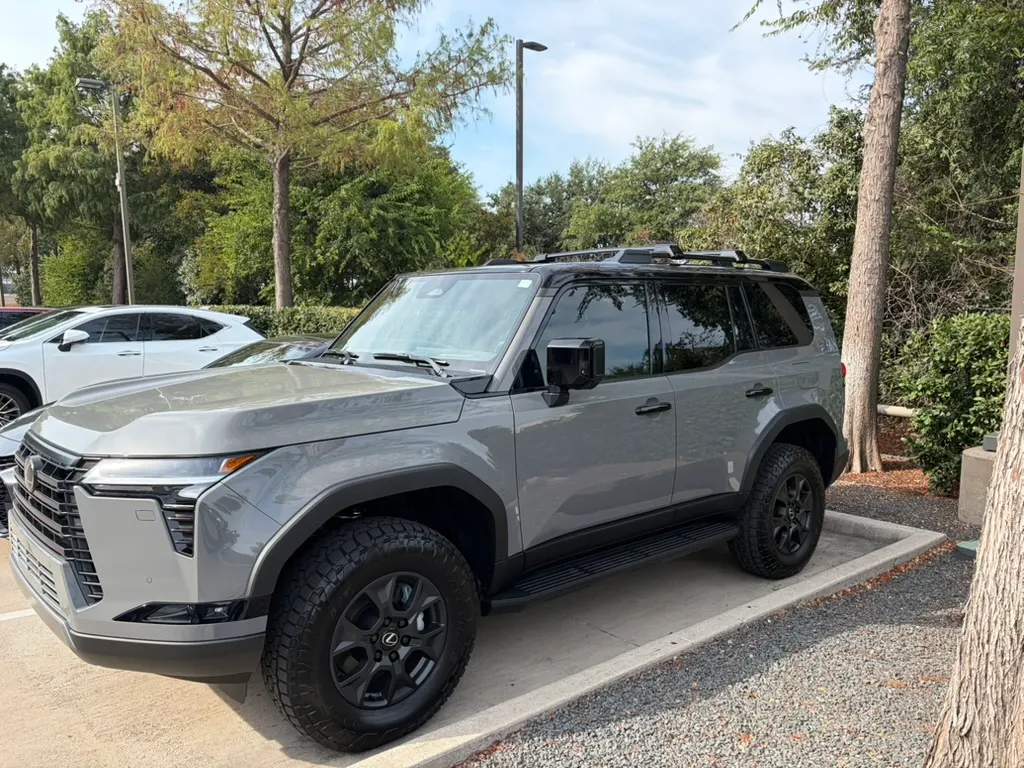
- You lease or trade every 1 to 2 years: A Level 3 detail with 1-year silica protection is usually the best value.
- You plan to keep the car 3+ years, mostly city driving: Decontamination, paint correction, and a ceramic coating.
- New car, highway commute, or you want the best long-term protection: PPF on the front end plus a ceramic coating over everything (our recommendation below).
- High-value or show vehicle: Full-body PPF with a coating on top.
- Parked outside under trees: A coating makes daily cleanup much easier, but nothing replaces removing droppings and honeydew quickly.
Part 4: Our recommendation
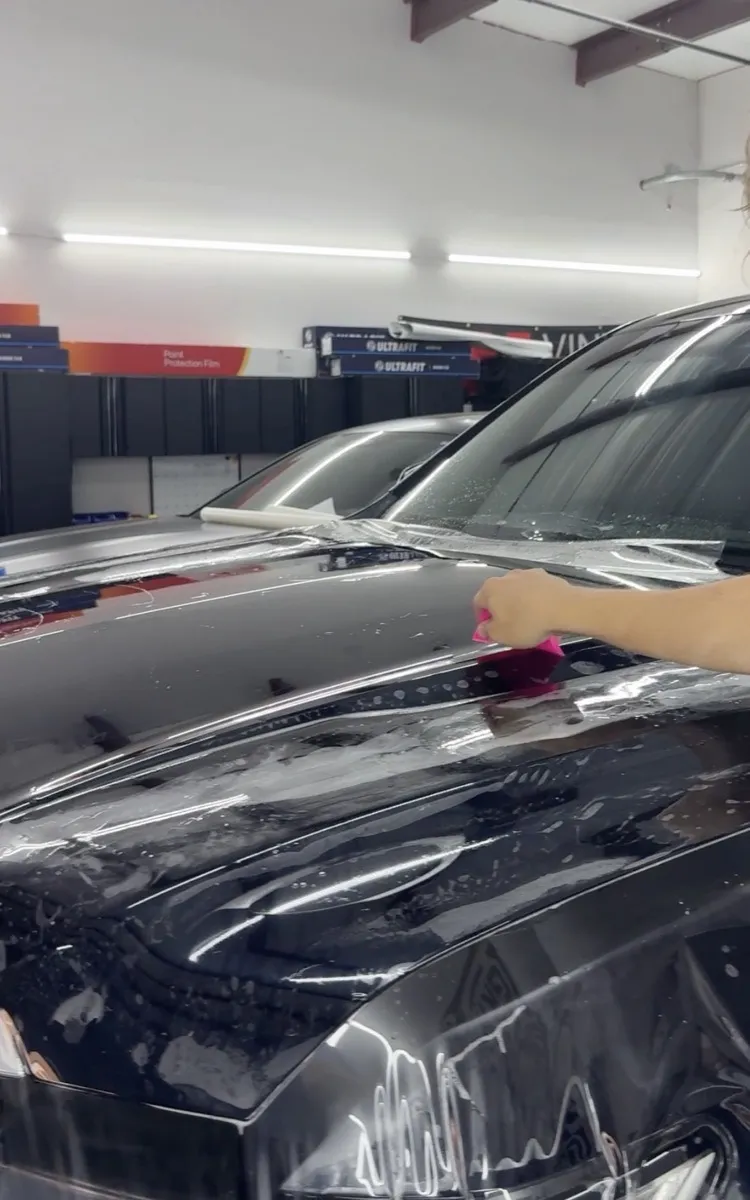
For most owners who plan to keep their vehicle, here's what we recommend:
- PPF on the front end, the area that matters most and takes the most abuse: hood, fenders, mirrors, A-pillars, and front bumper. This is where road debris and rocks do the most damage.
- Ceramic coating over the PPF. Our read: the coating seals the film's top coat, adds another layer of UV protection on top of what the film is designed for, and makes it much easier to clean. Film makers like XPEL sell coatings made specifically for use over their films, and 3M confirms its ceramic coating can be applied over PPF.
- Ceramic coating on the rest of the vehicle for gloss and depth, plus protection from bird droppings, sun, fading, and chemical fallout, and easier washing.
With decontamination and a full paint correction first, this front-end package usually comes in under $3,000. It gets you physical protection where you need it most and chemical protection everywhere else, without the cost of full-body film. See our PPF options or ceramic coating packages.
Frequently asked questions
Is PPF better than ceramic coating?
They do different jobs. PPF is the only one that physically stops rock chips and scratches. A coating keeps the whole car easier to clean and more resistant to chemical contamination. The strongest setup uses both: film on the front end, coating over everything.
Can you put ceramic coating on PPF?
Yes. 3M states its ceramic coating can be applied over PPF and vinyl, and XPEL sells a coating designed for use on its films.
Is a 9H ceramic coating scratch proof?
No. The 9H rating comes from a pencil test usually run on steel or glass. On a car, the clear coat underneath typically tests F to 2H, and a coating raises that only slightly.
Does removing PPF damage paint?
On healthy factory paint, professional removal is unlikely to cause damage, according to XPEL. Repainted panels, old film, and rushed removal are where problems happen, and removal often leaves adhesive that needs professional cleanup.
Do I need to decontaminate paint before ceramic coating?
Yes. An iron remover and clay bar remove bonded contamination so the coating bonds to the clear coat instead of the dirt on top of it.
How fast do bird droppings damage paint?
In BASF lab testing on weathered clear coat, visible etching formed within 24 hours, and the damage accelerated with heat up to 140°F. Remove them the same day.
Not sure which combination fits your car? Call or text us at (682) 319-7303 and we'll give you a straight answer.
Sources
- National Weather Service Fort Worth, 100° Day Summary for Dallas/Fort Worth
- NASA Dryden Flight Research Center, measured surface temperature of vehicles in direct sunlight
- Mechtel and Hebestreit, Covestro, "Who Shines the Longest?" European Coatings Journal, 2021: benchmark of 95 automotive clear coats
- Dahatonde, Kadam, Gupta, BASF India, Degradation of Automotive Clearcoat Caused by Bird Droppings, PCI Magazine, 2021
- Ramezanzadeh, Mohseni, Yari, The role of basecoat pigmentation on the biological resistance of an automotive clearcoat, Journal of Coatings Technology and Research, 2010
- Texas A&M AgriLife, Crapemyrtle Aphid, Field Guide to Common Texas Insects
- University of Georgia Entomology, crape myrtle bark scale, first confirmed in Dallas in 2004
- Schmitz, Holubka, Xu, Acid Etch of Automotive Clearcoats II, Journal of Coatings Technology, 2000
- U.S. Geological Survey, water hardness classification
- Shine Supply, Beadlock Pro Ceramic Paint Coating
- Element 119, System X MAX ceramic coating and warranty
- 3M, Ceramic Coating FAQ on hardness and thickness
- Feynlab, on 9H pencil hardness testing of thin coatings
- LLumar, Paint Protection Film Technical Specification (2019 data sheet)
- SunTek, PPF Ultra
- SunTek, PPF C Technical Data Sheet
- CheetahWrap, CheetahPPF Chip Defense
- 3M, Paint Protection Film 8591 and 8592 Technical Data Sheet
- XPEL, Ultimate Plus Technical Data Sheet
- XPEL, FAQ
- SAE International, J400 Test for Chip Resistance of Surface Coatings
- Consumer Reports, Car Wax Buying Guide (archived)